
Construction sites rarely stay quiet for long. Materials arrive, equipment moves, crews change, and access points shift as work progresses. For contractors and site managers, these changes can make security harder to manage. Recognizing when construction site security services are needed can help protect materials, equipment, workers, and project schedules. Professional construction site security can also provide an added layer of visibility when a project becomes more exposed.
Valuable Materials Are On-Site
One of the clearest signs that a site may need security guards is the presence of expensive or easily removed materials. Copper wiring, tools, appliances, lumber, machinery, fuel, and other supplies can attract unwanted attention, especially when they are stored outside or in areas with limited visibility.
As the value of materials increases, relying only on locked storage or fencing may not provide enough protection. A security presence can help monitor deliveries, observe activity, and discourage unauthorized individuals from approaching valuable items.
Unauthorized Access Keeps Happening
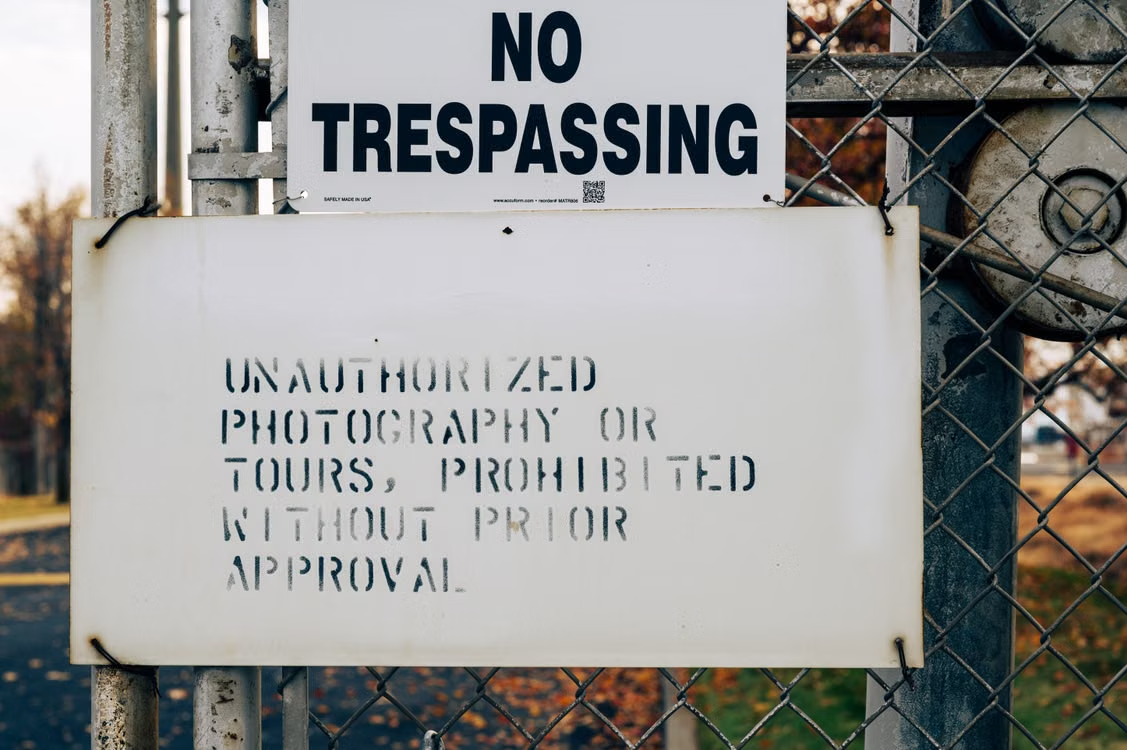
A fence can establish a boundary, but it cannot stop someone who finds a way around it. Repeated trespassing, damaged fencing, forced gates, unfamiliar vehicles, or people entering without permission are strong reasons to review site security.
Even minor access problems deserve attention. Someone entering after hours could be looking for materials, equipment, or another opportunity. Security guards can monitor entry points, verify authorized activity, document incidents, and alert the appropriate contacts when concerns arise.
After-Hours Activity Is Increasing
Many construction sites become much quieter after crews leave. That quiet period can create opportunities for theft, vandalism, trespassing, or unauthorized use of equipment. If a site has experienced suspicious nighttime activity, visible signs of intrusion, or repeated incidents outside working hours, additional coverage may be appropriate.
Security guards can conduct scheduled or continuous checks depending on the property’s needs. A visible presence after hours can discourage unwanted activity while providing a point of contact when something unusual occurs.
The Project Footprint Is Expanding
Security needs can change when a project grows. New buildings, storage areas, parking sections, temporary offices, material zones, and additional entrances can create more areas to monitor.
A security plan that worked during the early phase may no longer provide sufficient coverage once the footprint expands. Site managers should reassess fencing, lighting, cameras, entry points, and patrol routes whenever the project layout changes.
Equipment Is Becoming More Valuable
Heavy machinery and specialized equipment can represent significant financial investments. Excavators, generators, lifts, compressors, and other equipment may remain on-site overnight or during weekends.
Keeping equipment secure requires more than simply parking it behind a gate. Guards can monitor the property, record unusual vehicle activity, check access points, and report concerns promptly. Their presence can also help reinforce established procedures for equipment access and movement.
The Site Has Limited Visibility
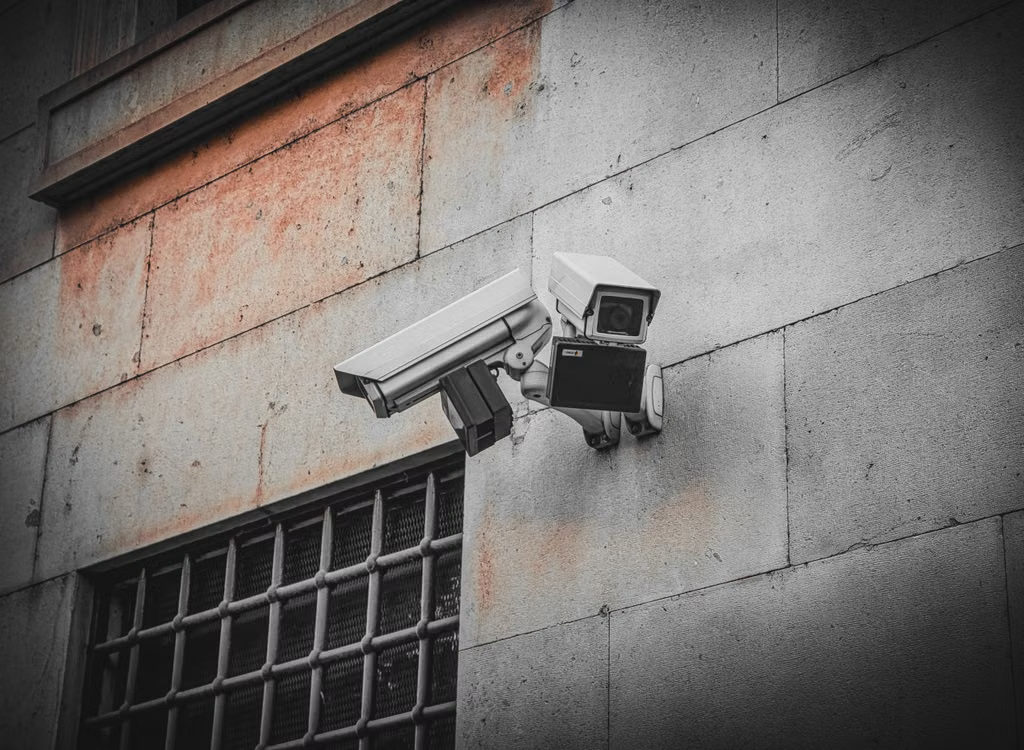
Some properties have blind spots created by buildings, stacked materials, temporary structures, poor lighting, or a large perimeter. These conditions can make it difficult for cameras or workers to observe every area.
If managers cannot easily tell what is happening across the property, additional security may be worth considering. Guards can move through areas that are difficult to monitor remotely and provide direct observations that complement existing systems.
Workers Need a Clear Security Contact
Construction workers may notice unfamiliar people, damaged fencing, suspicious vehicles, or other concerns before management does. If employees are unsure whom to contact, important information may be delayed.
Having security personnel on-site gives workers a clear point of contact for reporting concerns. Guards can document incidents and direct emergencies to the proper authorities or site leadership according to established procedures.
Know When Coverage Makes Sense
There is no single project size or construction phase that automatically requires guards. The decision should consider material value, equipment, site location, access points, operating hours, previous incidents, property size, and how quickly the project is expanding.
For contractors seeking mobile patrol security, scheduled patrols may provide practical coverage for sites that do not need constant staffing. Projects with frequent access concerns may benefit from security guard services, while larger properties can consider security patrol services in West Palm Beach for additional monitoring support.
Construction security should be treated as part of project planning, not simply a response after something goes wrong. Reach out to Williams Security Task Force LLC to discuss practical protection for your construction project and keep your site safer throughout each stage of work. Contact us today.