
Retail theft does not always begin and end at a merchandise shelf. The moments between browsing, trying on products, requesting a return, paying, and leaving can create security challenges that are easy to overlook. Effective retail security considers how people move through the entire store, not just where products sit. When retailers understand these connections, they can spot vulnerabilities and make informed decisions about staffing, store layout, and loss prevention.
Why the Space Between Store Areas Matters
A retail store may have cameras covering the entrance, checkout counters, and high-value displays, yet still have gaps between these points. A fitting room corridor, a busy customer-service desk, or an aisle leading toward an exit can make it harder for employees to notice unusual activity. These areas deserve attention because customer movement rarely follows a neat, predictable path.
Organized retail theft can involve more planning than a quick grab from a shelf. The U.S. Department of Justice has announced cases involving coordinated operations that targeted merchandise and retailers through deliberate methods. Such cases show why retail security should consider patterns of movement, merchandise selection, and activity across different parts of a store rather than treating each area as an isolated concern.
Entrances and High-Value Merchandise Need a Connected View
The entrance gives employees their first opportunity to welcome customers and observe the general flow of activity. However, a busy entrance can quickly become a distraction when several shoppers arrive together, deliveries come through, or customers ask for assistance. Retail security planning should account for these everyday demands while ensuring that valuable merchandise and nearby pathways remain visible.
Product placement also matters. Small electronics, cosmetics, designer accessories, and other frequently targeted items may attract attention because they are easy to carry and resell. The FBI identifies coordinated theft operations that target merchandise for resale as a significant retail crime concern.
Retailers can respond by reviewing display locations, improving sightlines, and positioning staff where they can observe both merchandise and the routes leading away from it.
Fitting Rooms and Service Desks Create Different Challenges
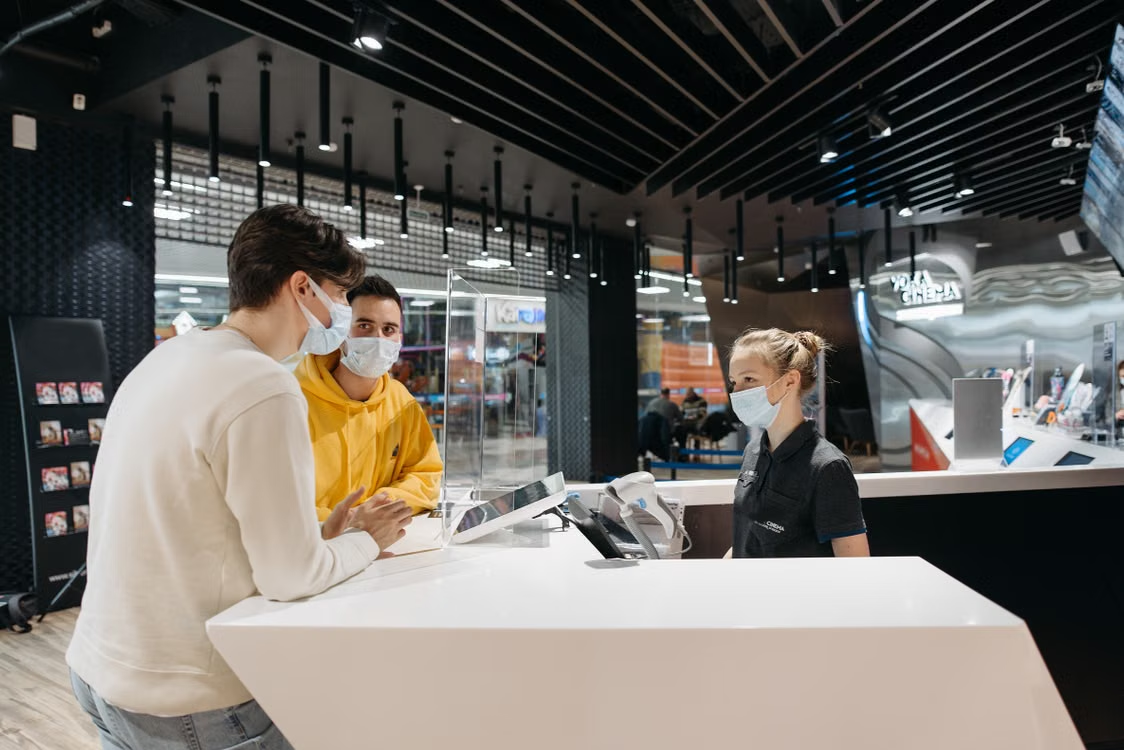
Fitting rooms introduce a different set of security considerations. Employees need to respect customer privacy while maintaining awareness of merchandise entering and leaving the area. Clear procedures for handling items, checking stock discrepancies, and responding to concerns can help staff notice problems without making ordinary shoppers feel uncomfortable.
Customer-service and return desks deserve similar attention. These areas often involve receipts, refunds, exchanges, and questions that require an employee’s full attention. The FBI notes that organized retail theft can involve returning stolen merchandise to obtain cash, gift cards, or store credit.
This makes consistent return policies and clear documentation important parts of loss prevention. A visible security presence can also help employees manage tense interactions and recognize when a situation needs additional support.
Checkout Areas and Exits Complete the Picture
The checkout area is not the end of a retailer’s security concerns. Customers may pause to rearrange bags, ask about a purchase, or move toward another department before leaving. Employees may be busy processing transactions, while queues and promotional displays can obstruct visibility. A thoughtful retail security plan considers these overlapping activities and identifies where staff attention or camera coverage may fall short.
Exits also require careful planning. Retailers should maintain clear pathways, monitor relevant activity, and ensure that security personnel can communicate with store employees when concerns arise. Cameras can help document incidents, but recording equipment alone does not guarantee that someone will notice a developing problem in time to respond. The Government Accountability Office has described several retail loss-prevention measures, including cameras, security tags, controlled merchandise displays, and trained personnel.
Combining appropriate measures gives retailers more information to work with across the customer journey.
How Security Personnel Can Improve Store Awareness
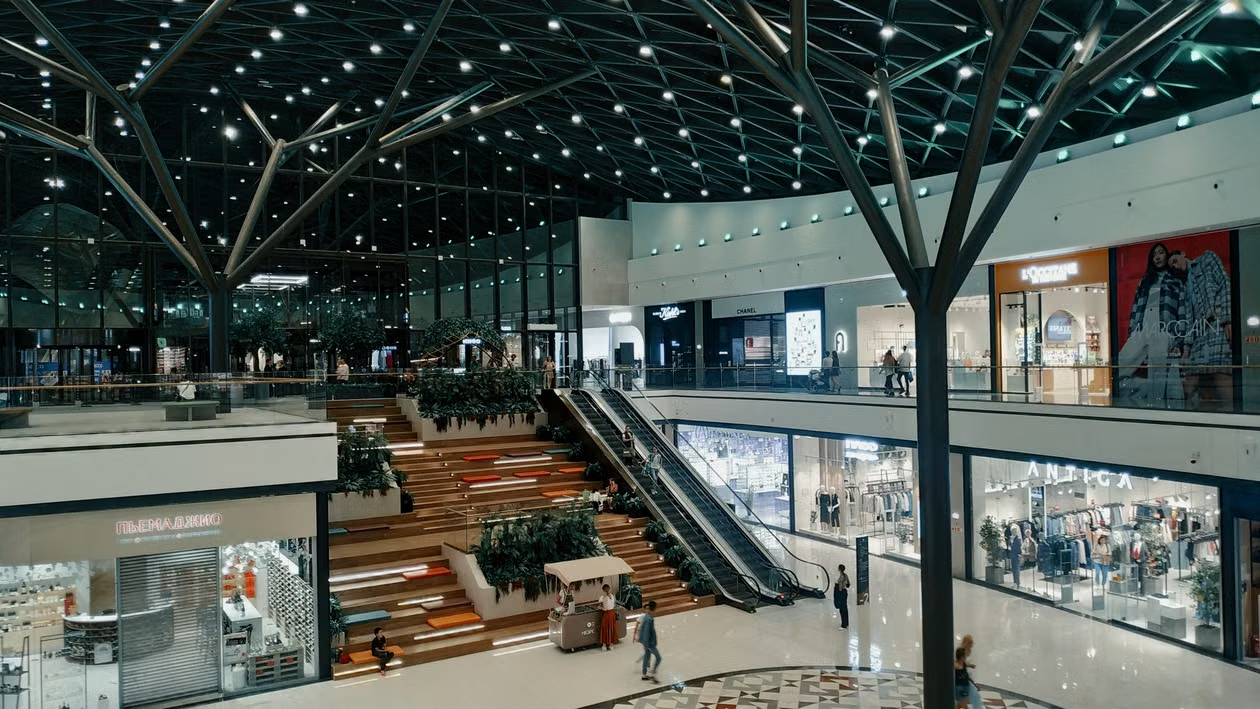
A security guard who understands the store’s layout can pay attention to more than one isolated hotspot. Depending on the assignment, that may mean observing entrance activity, maintaining visibility near high-value merchandise, monitoring busy transition areas, and communicating concerns to store management. Effective security guard services should support a welcoming shopping environment while helping employees respond calmly to suspicious behavior or disruptive incidents.
Professional retail security services can also help retailers review recurring incidents and identify areas that need additional attention. Managers may notice that losses repeatedly involve a particular department, a busy return counter, or a poorly visible route toward the exit. Reviewing incident reports, staffing patterns, and store layouts can help turn those observations into practical changes.
The goal is not to treat every customer as a potential thief. It is to make the store easier to observe, give employees clear procedures, and help security personnel recognize when activity deserves a closer look. When retailers connect the spaces between displays, service areas, checkout counters, and exits, they can address vulnerabilities that a shelf-by-shelf approach might miss.
At Williams Security Task Force LLC, we understand that effective retail security involves more than watching merchandise. It requires awareness of customer movement, store entrances, checkout areas, and the spaces that connect them. Our retail security services help businesses address security concerns through a visible, attentive presence tailored to their property’s needs. With professional security guard services in West Palm Beach, retailers can strengthen store awareness, support employees during challenging situations, and create a more secure shopping environment. Contact Williams Security Task Force LLC to discuss your store’s security requirements and explore an approach that fits your layout, daily operations, and concerns.