
A successful event depends on more than knowing who has an invitation. Guests need to enter comfortably, move through the venue without unnecessary delays, and find exits quickly if plans change. Effective event security starts by understanding how people will move through the space, where congestion could develop, and how staff can keep access points organized without disrupting the experience.
Why Crowd Flow Matters More Than a Guest List Alone
A guest list helps staff verify invitations, manage attendance, and restrict access to authorized individuals. However, it does not show where long lines might form, how guests will move between activities, or whether a crowded entrance could slow emergency access. Even a carefully planned event can encounter problems when too many people arrive at once, or several activities draw guests toward the same area.
That is why event security should begin with a practical assessment of the venue and its expected crowd patterns. Security professionals need to consider the event’s layout, attendance, schedule, audience, and activities. A reception, outdoor festival, corporate gathering, and private celebration each create different movement patterns. Understanding those differences helps organizers plan staffing, entry procedures, and crowd-management measures before guests arrive.
Identify Bottlenecks Before the Event Begins
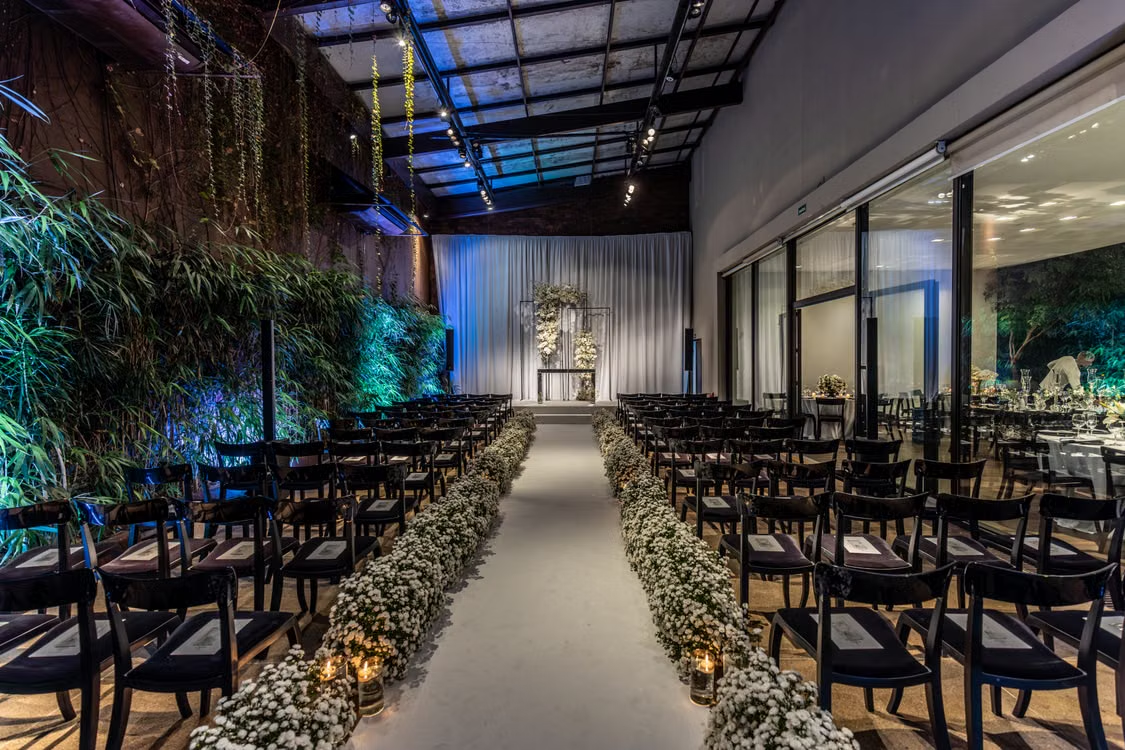
Entrances, stairways, narrow corridors, elevators, check-in tables, and food stations can quickly become congestion points. When people stop unexpectedly or encounter opposing lines of traffic, movement slows. Guests may begin gathering in doorways or spill into areas intended for staff, vendors, or emergency access.
A venue walkthrough can reveal these issues before they affect the event. Organizers and security personnel can examine where lines will form, whether signs are easy to see, and how guests will travel between key areas. Moving a registration table, separating entry and exit routes where practical, or adjusting queue barriers can help maintain a more predictable flow.
Thoughtful event security services account for these everyday details. The aim is not to control every movement a guest makes. It is to reduce avoidable congestion, preserve clear pathways, and help people navigate the venue without confusion.
Keep Entrances, Exits, and Restricted Areas Clear
Not every doorway serves the same purpose. Guests may enter through the main lobby, vendors may need access to a loading area, and event staff may use separate routes to transport supplies. When these movements overlap, the venue can become harder to manage.
A clear access plan helps everyone understand where they belong. Security personnel can monitor entrances, verify credentials, and redirect guests who approach restricted areas. Barriers and signs can guide people toward designated routes without making the venue feel unwelcoming.
The Cybersecurity and Infrastructure Security Agency (CISA) recommends combining access controls, lighting, surveillance, physical barriers, and crowd-management measures according to a venue’s specific risks. These measures work together rather than operating as separate precautions.
For organizers, this means looking beyond the guest list. A person may have a valid ticket but still need direction toward the correct entrance. A vendor may have permission to enter but require an escort or access during a designated time. Good event security accounts for these practical situations before they cause confusion.
Plan for the Moments When Crowds Change Direction
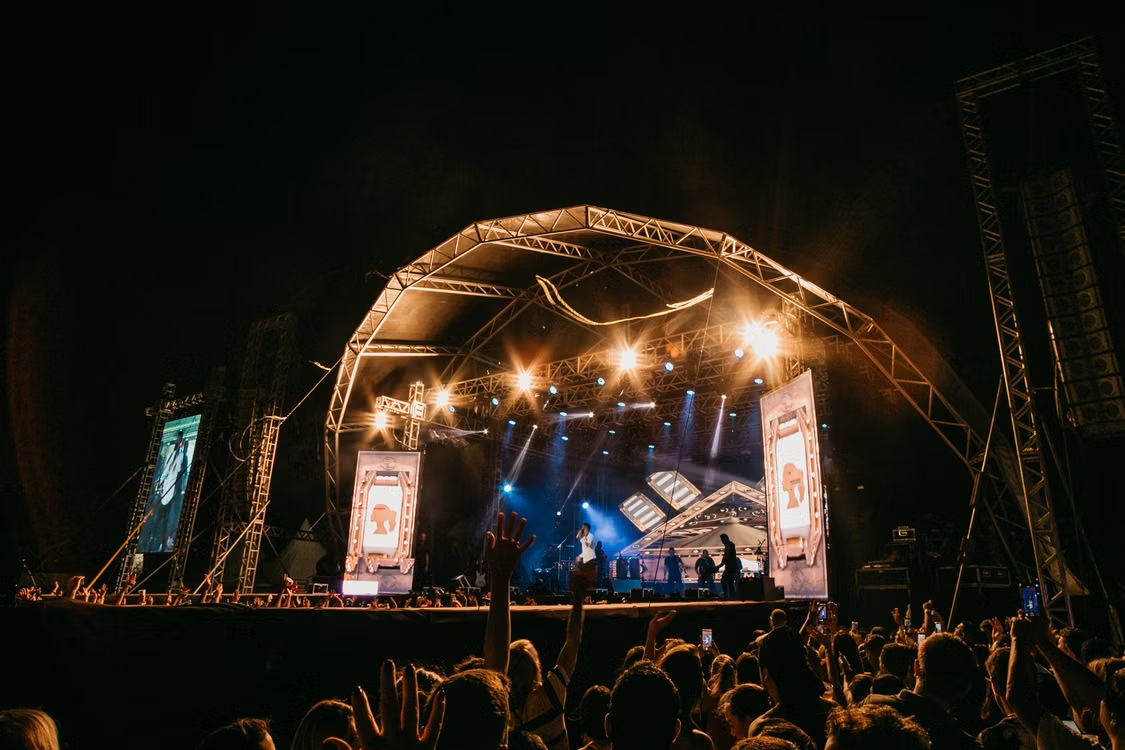
Crowd movement rarely stays consistent throughout an event. Guests arrive in waves, gather near a stage, visit food stations, and head toward exits when a program ends. A sudden schedule change or unexpected announcement can also send people toward the same location.
Security personnel need to recognize these shifts and respond before congestion becomes difficult to manage. Depending on the venue, that might mean redirecting foot traffic, opening an approved additional entry point, adjusting queue arrangements, or positioning staff where movement is becoming restricted.
Exit planning deserves particular attention. Guests should be able to identify their way out, and emergency routes must remain clear. Organizers should also consider guests with mobility limitations who may need accessible pathways or additional assistance. The UK Health and Safety Executive’s event guidance emphasizes assessing crowd movement during arrival, circulation, departure, and emergencies.
A practical event security plan also establishes who communicates changes and how staff coordinate their response. Clear responsibilities and reliable communication help prevent one adjustment from creating another problem elsewhere in the venue.
Give Vendors and Event Staff Their Own Movement Plan
Caterers, entertainers, decorators, delivery drivers, and technical crews often need to move equipment while guests are arriving or enjoying the event. If their routes cross busy guest areas, they can create obstructions or enter spaces where access should remain controlled.
Separate service routes and designated delivery times can reduce these conflicts. When separate routes are unavailable, organizers can coordinate equipment movement around busy periods and assign personnel to guide staff through shared spaces.
Event security services can help manage these arrangements by monitoring service entrances, checking authorized access, and keeping restricted areas under observation. This approach supports both security and event operations without placing unnecessary restrictions on guests.
Planning should also account for temporary changes. A delivery running late, a closed corridor, or a relocated activity may require staff to redirect movement. Communicating those adjustments promptly helps keep everyone informed and reduces uncertainty.
Match Security Staffing to the Venue’s Real Needs
The number of guards matters, but their placement and responsibilities matter just as much. Positioning every officer at the main entrance may leave busy corridors, parking areas, vendor access points, or less visible exits without sufficient attention.
Before the event, organizers should identify the areas that need active monitoring and assign responsibilities accordingly. Some positions may focus on access control, while others oversee queues, patrol public spaces, or assist with crowd direction. The staffing plan should reflect the event’s size, layout, schedule, and assessed risks rather than relying on a fixed formula.
Working with a licensed security company can help organizers assess these requirements and coordinate appropriate coverage. The plan should also explain how personnel will report concerns, contact event management, and request emergency assistance when necessary.
Build Crowd Flow Into Your Event Security Plan
At Williams Security Task Force LLC, we understand that a well-organized event requires more than checking invitations. Our event security planning considers how guests, vendors, and staff will move throughout your venue, helping identify potential bottlenecks, access concerns, and areas that require additional attention.
We provide professional event security services tailored to your venue, guest list, and schedule, with a broad selection of safety solutions to support your event’s requirements. As a licensed security company in West Palm Beach, we can help you plan security coverage around your event’s layout, access points, and operational needs.
Contact Williams Security Task Force LLC to discuss your upcoming event and develop a security plan that supports an organized, welcoming environment.