
A construction site can look completely different at the end of the workday. During business hours, workers, subcontractors, delivery drivers, and supervisors create a steady flow of activity. Once everyone leaves, that movement stops, but the site still holds valuable equipment, building materials, and unfinished work. This is where the construction site security problem often begins. Protecting a project means looking beyond working hours and understanding how changing site conditions can create new vulnerabilities overnight.
Why the End of the Workday Changes Everything
During the day, people naturally notice unusual activity. Workers recognize familiar faces, delivery drivers come and go, and supervisors keep an eye on equipment and materials. After the crew leaves, those everyday sources of visibility disappear. A gate that remains open for a late delivery or a side entrance left unsecured can create an opportunity for unauthorized access.
The construction site security problem is not always caused by a major oversight. Sometimes, several small issues come together. A temporary fence shifts, tools remain near the perimeter, or a storage container does not get locked properly. Each detail may seem manageable on its own, but together they can leave a project more exposed than anyone realizes.
That is why construction site security needs to account for the hours when nobody is actively working. A site should not depend entirely on workers being present to discourage unwanted access or identify unusual activity.
Open Access Points Can Outlast the Workday
Construction sites change constantly. Crews move fencing to accommodate deliveries, leave temporary openings for heavy equipment, and use different entrances as work progresses. An access point that makes sense at 2 p.m. may become a security concern at 7 p.m. if nobody checks its condition before leaving.
A closing routine can help prevent these gaps. Supervisors can confirm that gates are secured, temporary openings are closed where practical, and access codes or keys remain under authorized control. They can also check whether fencing has shifted or whether vehicles and materials are blocking visibility around entrances.
However, a checklist cannot respond to every unexpected change. A delivery may arrive late, a gate may malfunction, or someone may approach a restricted area after the final inspection. A planned security presence can help identify these situations before they become larger problems. For any construction site security problem involving changing access points, the goal is to make sure the site’s security measures continue to match its actual layout.
Equipment and Materials Need a Different After-Hours Plan
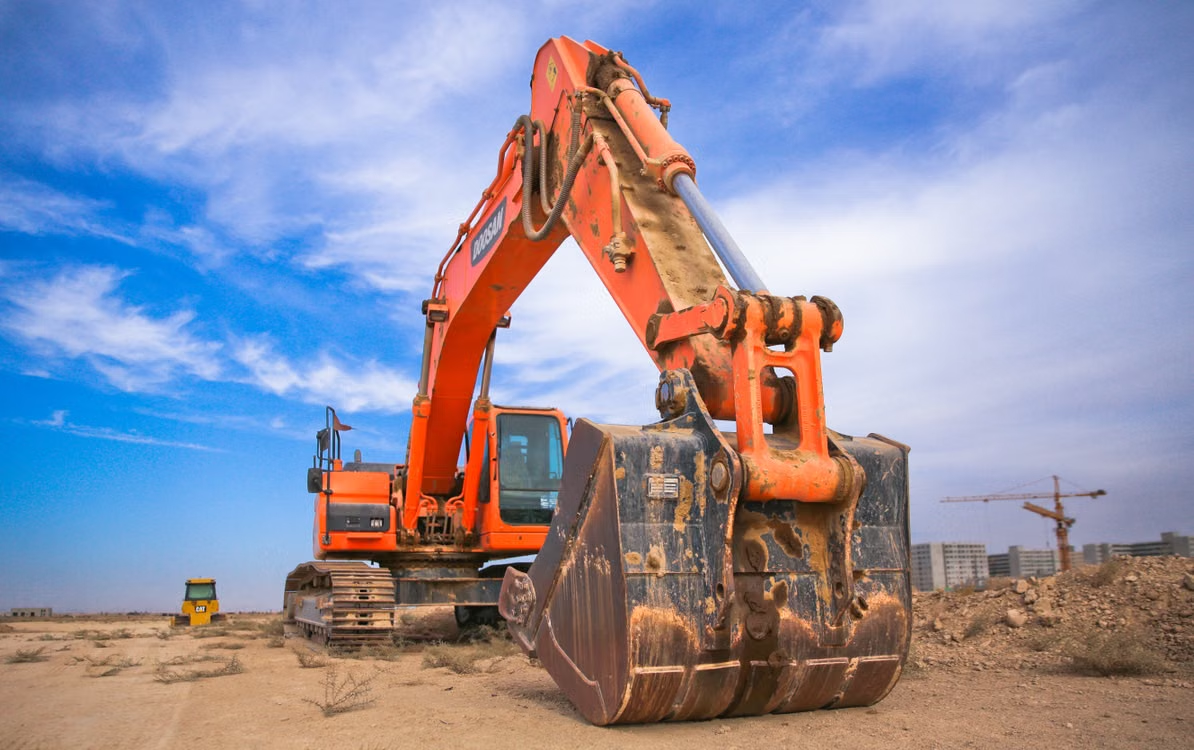
Heavy machinery, power tools, copper wiring, and construction materials often remain on-site overnight because moving them every evening is impractical. Their locations may also change as crews complete tasks and prepare for the next phase. Equipment left near an entrance or materials stored beside a temporary fence can create avoidable security concerns.
Before leaving, workers should secure tools, lock storage containers, and park equipment in designated areas where practical. Site managers should also consider how material storage affects visibility. Tall stacks of lumber, temporary structures, and parked machinery can obstruct sightlines or create concealed areas that were easier to monitor earlier in the day.
These details matter when addressing a construction site security problem because protecting property involves more than locking up expensive equipment. The surrounding layout influences what a security guard can see, which areas require additional attention, and how easily someone could enter without authorization.
Lighting and Visibility Matter After Dark
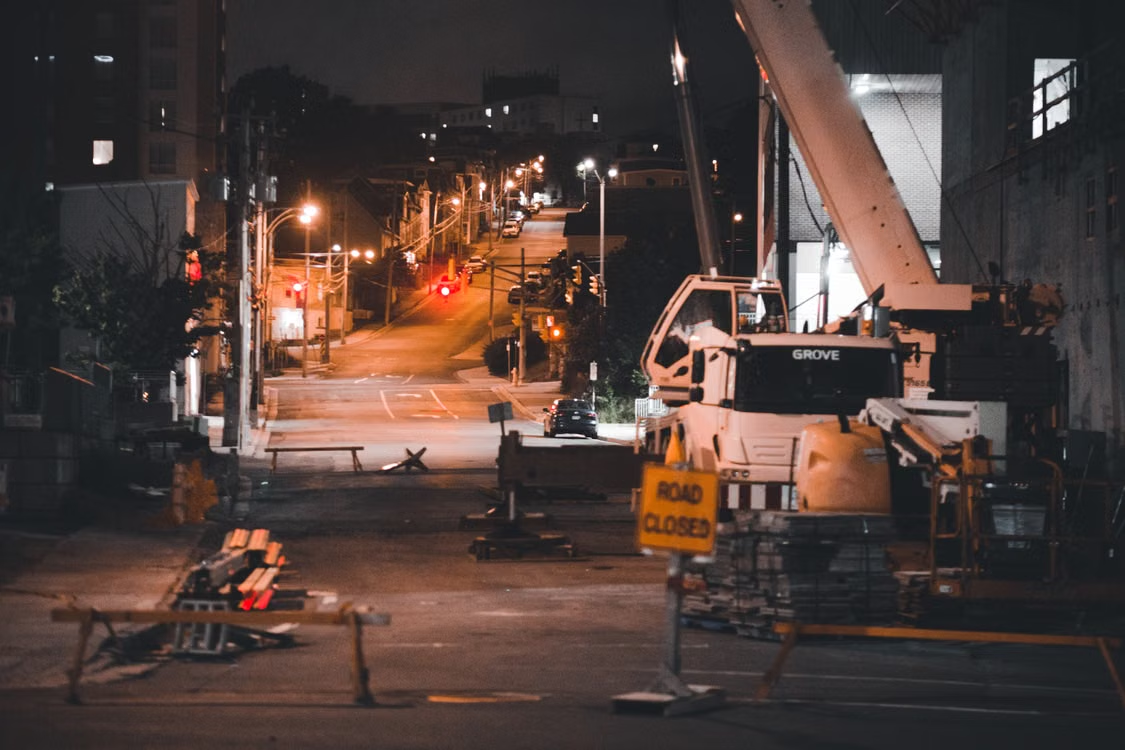
A construction site that appears easy to navigate during daylight can develop significant visibility challenges after sunset. Temporary lighting may not cover every work area, while shadows around storage containers, scaffolding, and parked vehicles can make it harder to notice unusual activity.
Lighting deserves particular attention around entrances, equipment storage areas, pedestrian access points, and perimeter fencing. Site managers should check whether lights work as intended and whether changes in the construction layout have created newly darkened areas. Motion-activated lighting may also help illuminate specific locations when activity occurs.
Still, lighting alone cannot identify every concern or respond to an unexpected situation. Cameras can provide useful visibility, but their effectiveness depends on camera placement, image quality, and whether someone monitors or reviews the footage. A practical construction site security plan considers how lighting, surveillance, physical barriers, and on-site personnel can support one another.
Security Must Follow the Site’s Changing Conditions
A construction site is rarely static. Excavation, framing, electrical work, and finishing activities each introduce different equipment, access needs, and potential vulnerabilities. A fence line may move, a new entrance may open, or a completed section may contain materials that were not there the previous week.
Security arrangements should change along with the project. Regular site assessments can help managers identify new access routes, poorly lit areas, and storage arrangements that require attention. They should also consider the time between the last worker leaving and the first person arriving the next morning.
A professional security guard company can help address these changing conditions through planned patrols, access monitoring, and reporting procedures suited to the site. Guards can check designated areas, observe unusual activity, and notify the appropriate contacts when they identify concerns. Their responsibilities should be clearly defined, including which areas they need to inspect and how they should respond to alarms or unsecured access points.
The purpose is not simply to have someone present after hours. It is to maintain a security routine that reflects the site’s current condition, rather than relying on a plan created before construction began.
The Handoff Between Day and Night Needs Attention
The final hour of a workday can be hectic. Crews may rush to finish a task, subcontractors may leave at different times, and deliveries may arrive close to closing. Without clear responsibilities, everyone can assume someone else has secured a gate, stored equipment, or checked a temporary entrance.
A defined closing procedure makes that handoff easier to manage. Supervisors can assign responsibility for locking access points, checking storage areas, confirming lighting, and reporting maintenance issues. A simple record of completed checks can also help the next shift understand what happened before the site closed.
For projects with changing schedules or multiple contractors, communication matters just as much as physical security. Workers should know how to report a damaged fence, a faulty lock, or an unfamiliar person on-site. When those reports reach the right person promptly, managers can address concerns before the next shift begins.
A construction site security problem that develops after hours often starts with a detail that seemed minor during the day. Consistent handoffs, updated site checks, and clearly assigned responsibilities help reduce the chance that those details go unnoticed.
At Williams Security Task Force LLC, we understand that a construction site security problem can develop long after the crew leaves for the day. Our professional construction site security services help protect your equipment, materials, workers, and investment from the first dig to final inspection. As a trusted security guard company in West Palm Beach, we work with construction teams to address changing site conditions, monitor vulnerable areas, and maintain an appropriate security presence beyond regular working hours. Contact us to discuss your project’s security needs and develop an approach that supports your site as construction progresses.