
As summer winds down, many communities see residents return to familiar schedules, children resume school, guests visit more often, and shared spaces become busier. For HOA boards and property managers, this increase can create new security concerns. Reviewing HOA residential security services before fall activity rises can help communities address visitor access, parking, amenities, common areas, and daily movement with greater confidence.
Review Visitor Access
More residents often means more visitors. Friends, relatives, delivery drivers, contractors, and service providers may arrive throughout the day, making it harder to recognize who belongs on the property.
HOAs should review entry procedures before activity increases. Are gates working correctly? Are access codes current? Are visitor logs being maintained when needed? Does staff know how to respond when an unfamiliar vehicle or person arrives? Clear procedures can reduce confusion while helping residents feel comfortable.
Pay Attention to Common Areas
Pools, clubhouses, playgrounds, walking paths, mail areas, and recreational spaces may see heavier use once residents return to regular routines. More activity can be positive for a community, but it also creates more opportunities for property damage, unauthorized access, disputes, or other incidents.
Walk through these areas during different times of day and look for practical concerns. Check lighting, entrances, cameras, gates, fencing, and visibility. Areas that feel secure during daylight may have different needs after sunset.
Review Parking Activity
Parking lots and garages deserve attention before fall schedules become busy. Increased vehicle movement can make it harder to notice suspicious behavior, unauthorized parking, or vehicles that remain on the property without a clear reason.
Management teams can review guest parking rules, reserved spaces, lighting, signage, and access controls. Residents should also understand how to report concerns without taking unnecessary risks themselves. A clear reporting process gives management better information and helps security personnel respond appropriately.
Check Amenity Security
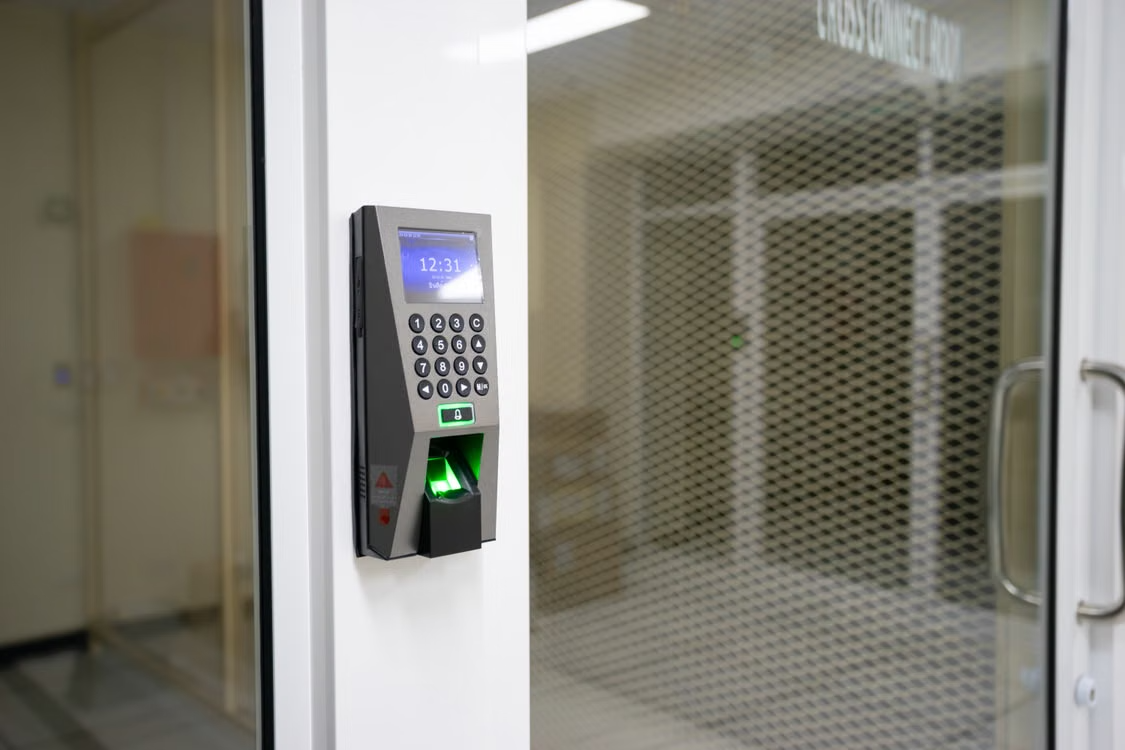
Fall can bring renewed use of fitness rooms, pools, community centers, sports areas, and other shared amenities. Review who has access to each facility and whether doors, locks, gates, and entry systems are functioning as intended.
If amenities have posted hours, make sure those hours are visible and consistently enforced. After-hours access can create unnecessary risks, particularly when facilities have limited visibility or no staff nearby.
Look at Access Points
Every entrance and exit should receive a fresh review before resident activity increases. This includes vehicle gates, pedestrian entrances, side gates, garage doors, service entrances, and areas where fencing meets another property boundary.
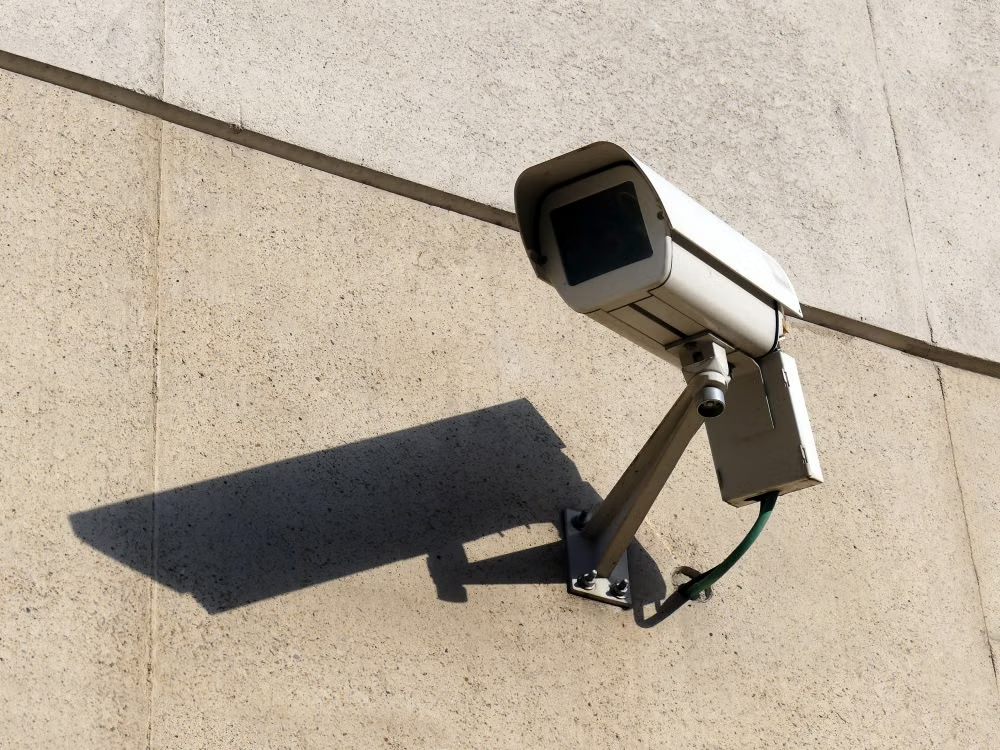
Look for broken locks, damaged gates, poor lighting, obstructed CCTV cameras, or landscaping that creates hidden areas. Small maintenance issues can become security weaknesses when they remain unresolved.
A pre-season review can reveal patterns that are easy to miss during quieter months. Compare incident reports, resident complaints, maintenance records, and access issues. This information can help prioritize improvements before demand increases.
Consider Patrol Coverage
A community’s security needs can change as activity levels change. HOA boards should consider whether current patrol schedules provide enough visibility during the hours when residents, guests, and vendors are most active.
Mobile patrols can provide a visible presence across larger communities, while on-site security personnel may be appropriate for properties with frequent visitor activity or controlled entrances. The right approach depends on the community’s size, layout, access points, amenities, and recent incident patterns.
Prepare Residents and Staff
Security is more effective when residents and staff understand what to do when something seems unusual. Before fall, HOAs can remind residents about gate procedures, guest policies, package concerns, emergency contacts, and appropriate reporting channels.
Staff should also know how to document incidents and communicate concerns promptly. Consistent procedures help prevent small issues from becoming larger problems and give management useful information when reviewing security needs.
Strengthen Fall Readiness
Preparing for increased resident activity does not require complicated changes. It starts with reviewing how people enter, move through, park within, and use the community. By checking access points, common areas, amenities, parking, lighting, and patrol coverage, HOA leaders can identify weaknesses before the fall schedule becomes fully active.
If your community needs added support, professional unarmed security guards can provide a visible presence for residents and visitors. For communities needing broader coverage, residential security patrol can help monitor property activity, while security patrol services in Palm Beach County may offer additional support across larger service areas. Contact Williams Security Task Force LLC to discuss practical security options for your HOA before fall activity increases.