
Homeowners Associations (HOAs) experience a predictable but important seasonal shift during summer. As families travel for vacations, extended trips, and seasonal breaks, many residential communities become quieter and less active. While this change offers residents relaxation and freedom, it also creates specific security gaps that HOAs must address proactively.
Reduced occupancy, increased visitor activity, and seasonal maintenance work all contribute to changing security dynamics. Knowing when to increase patrols can make a significant difference in maintaining safety and preventing avoidable incidents.
Vacation Season Creates Natural Security Gaps
The most obvious trigger for increased security is the beginning of vacation season itself. As more residents leave the community for extended periods, the overall activity level drops significantly. Quiet neighborhoods, while peaceful, can unintentionally signal vulnerability.
Empty driveways, inactive homes, and reduced evening movement can make it easier for suspicious individuals to identify low-risk targets. This is why many communities enhance HOA residential security services during peak travel months to ensure consistent monitoring and visibility.
A stronger security presence helps maintain the impression of occupancy even when homes are temporarily vacant.
Increased Risk of Suspicious Activity
Vacant homes are not just less active—they are also more noticeable to potential offenders. Even small changes, such as uncollected mail or darkened homes, can attract unwanted attention.
During summer, this risk becomes more pronounced because multiple homes in the same community may be vacant at the same time. This creates clusters of opportunity that require proactive monitoring.
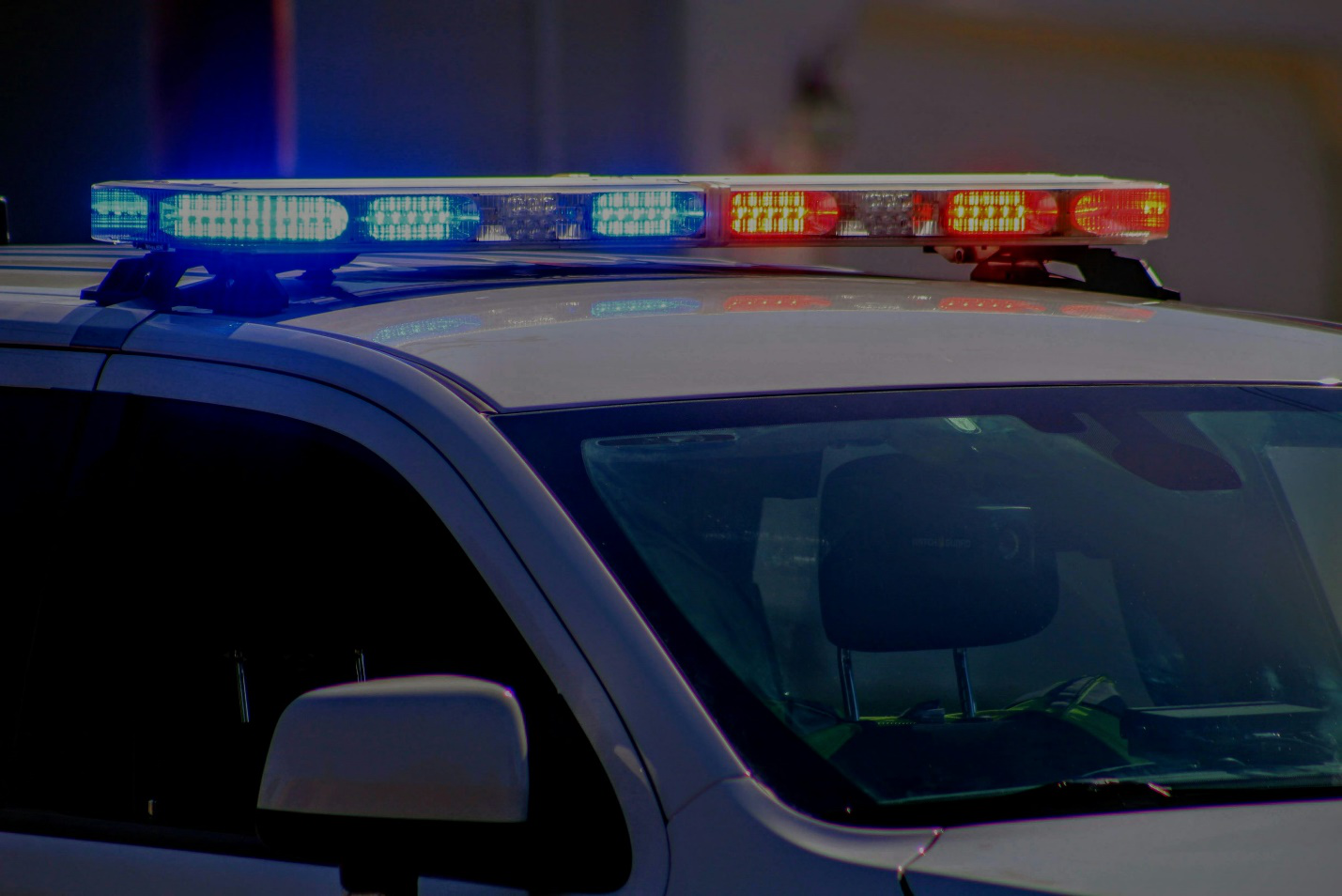
Regular mobile security patrols help deter suspicious behavior by maintaining a visible presence and ensuring that unusual activity is identified early.
When Community Events Increase Foot Traffic
While some residents travel, others host gatherings, barbecues, and social events during summer. HOAs often organize pool parties, holiday celebrations, or community activities during this period.
These events bring temporary spikes in foot traffic, especially in shared areas such as clubhouses, pools, and recreation zones. While these activities strengthen community engagement, they also require additional oversight.
Security support ensures that guests are properly managed, rules are followed, and shared spaces remain safe and organized.
Construction and Maintenance Activity Peaks in Summer
Summer is also a common time for exterior repairs, landscaping projects, and home renovations. Contractors, service providers, and delivery personnel move in and out of the community more frequently.
This increased external activity requires stronger access control to ensure that only authorized individuals are allowed inside the community.
Without proper monitoring, it becomes more difficult for HOA boards to track who is entering and exiting the property throughout the day.
Traffic Flow and Entry Point Monitoring
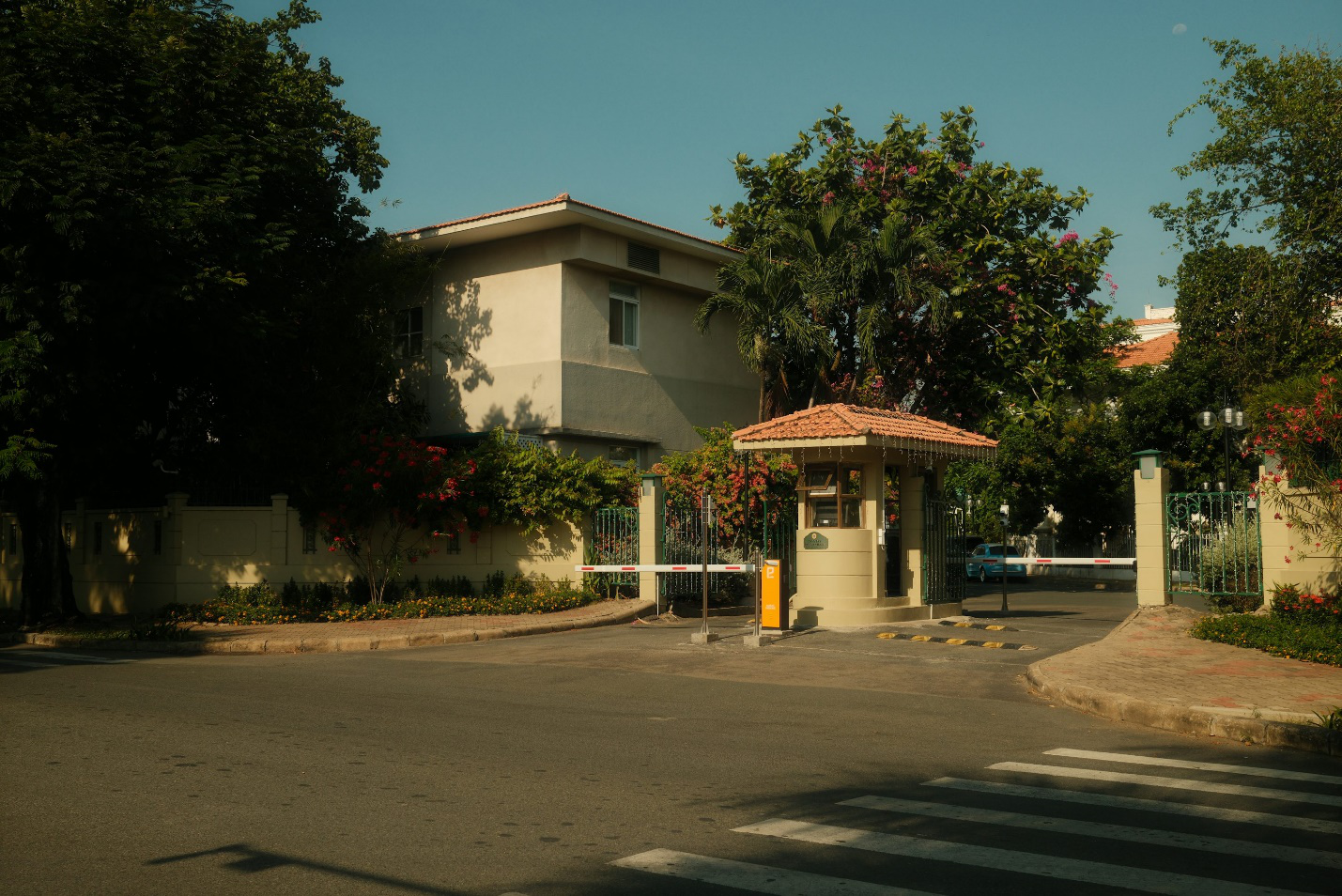
One of the most critical responsibilities during summer is managing access points. With residents traveling and guests entering more frequently, gates and entry systems experience higher usage than usual.
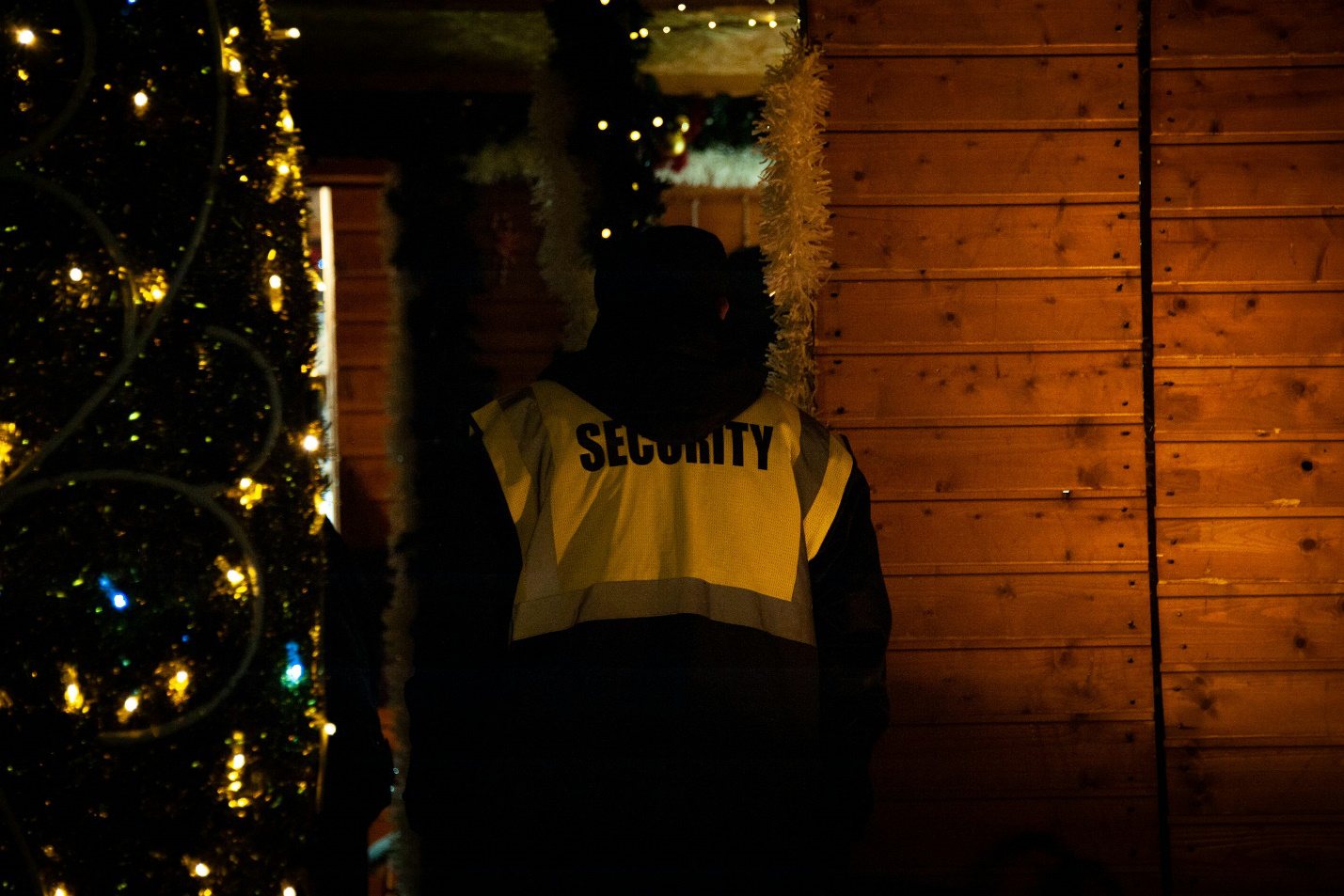
Security personnel help verify visitors, monitor entry logs, and ensure that access procedures are properly followed. This reduces the risk of unauthorized entry and maintains a secure environment for all residents.
A structured HOA residential security approach also helps prevent congestion during peak hours, especially in larger communities.
The Role of Visibility in Prevention
Security is not only about response—it is about prevention. Visible patrols play a major role in discouraging unwanted activity. When communities appear actively monitored, they become significantly less attractive targets.
Regular patrols through streets, parking areas, and shared spaces help maintain this visibility. It also reassures residents who remain at home during the summer that their community is being actively protected.
This proactive presence is one of the most effective deterrents in residential security.
Timing Matters More Than Ever
HOAs often ask when exactly to increase patrols. The most effective time is not after incidents occur but before seasonal patterns begin.
The ideal approach is to increase coverage at the start of vacation season, maintain consistent patrols throughout peak travel months, and adjust based on community activity levels.
This ensures that security remains aligned with real-time risk exposure rather than reacting after problems arise.
Balancing Budget and Security Needs
HOA boards often face the challenge of balancing safety improvements with budget considerations. However, seasonal security adjustments do not always require a full-scale increase in resources.
Strategic scheduling, mobile coverage, and targeted patrol timing can significantly improve security without unnecessary costs.
The key is understanding when and where risks are highest and allocating resources accordingly.
Summer is a predictable period of change for residential communities, but it does not have to be a period of increased risk. With proper planning, HOAs can maintain safety, reduce vulnerabilities, and ensure a smooth experience for both traveling and staying residents.
Williams Security Task Force provides tailored residential protection strategies designed to support HOA communities during peak vacation periods, ensuring consistent monitoring and reduced seasonal risk exposure. Call us now.